10 Minecraft Forest Ideas
Minecraft forest environments are among the most versatile and visually rich settings in the game, making them a popular choice for creative building projects and immersive world design. A forest biome offers a natural foundation for players who enjoy combining survival gameplay with aesthetic construction. Whether dense oak woods, birch landscapes, or mixed terrain hills, these environments allow endless room for creative exploration. Many players look for Pinterest ideas to transform simple forest areas into detailed living spaces, fantasy scenes, or functional bases that blend naturally into the environment. This guide focuses on practical and visually appealing Minecraft forest ideas that can be built step by step using accessible materials within the game.
The following sections will help players understand how to design forest-themed builds with structure, purpose, and creativity. Each idea is explained in a way that supports both beginner friendly execution and advanced customization. From small hidden shelters to large themed villages, the goal is to demonstrate how forests can become interactive creative spaces rather than just background terrain. This article explores inspiration, planning, materials, and step by step execution methods to help players create immersive forest builds that feel natural, functional, and visually balanced within the Minecraft world.
Why This Idea Is Trending or Useful
Minecraft forest builds have become widely popular because they combine natural terrain with flexible creative design. Players enjoy transforming forest biomes into personalized environments that reflect storytelling, survival strategy, or artistic expression. On platforms like Pinterest, forest-themed builds are often shared as creative ideas because they showcase aesthetic harmony between nature and construction. These builds are especially appealing because they do not require complex resources, making them accessible to both beginners and experienced players.
Another reason this concept is trending is its adaptability. Forest environments support a wide range of styles, including rustic cabins, fantasy villages, hidden bases, and modern minimalist shelters. Players can experiment with landscaping, lighting, and structural design without breaking the natural flow of the terrain. This flexibility makes it suitable for creative projects, survival gameplay, and roleplay worlds. The combination of accessibility, visual appeal, and creative freedom is what keeps Minecraft forest ideas consistently popular across creative communities.
Materials and Preparation
Before starting any Minecraft forest project, preparation is essential to ensure smooth construction and design consistency. The first step involves selecting a suitable forest biome, such as dense oak forests, birch woodlands, or mixed terrain areas. Each biome offers different visual tones and building opportunities. After selecting the location, it is important to clear unnecessary terrain while preserving natural elements like trees, hills, and water bodies that can enhance the final design.
Material selection plays a major role in forest builds. Common materials include wood types such as oak, spruce, and birch, along with stone, cobblestone, and natural blocks like moss and leaves. These materials help maintain a cohesive forest aesthetic. Tools such as axes, shovels, and building scaffolding improve efficiency during construction. Planning is also important, especially for larger builds, as it helps define layout structure, pathways, and functional areas. Proper preparation ensures that the final result feels natural, balanced, and aligned with creative forest design principles.
MAIN IDEAS SECTION
Idea 1: Hidden Forest Starter Cabin
How to Create
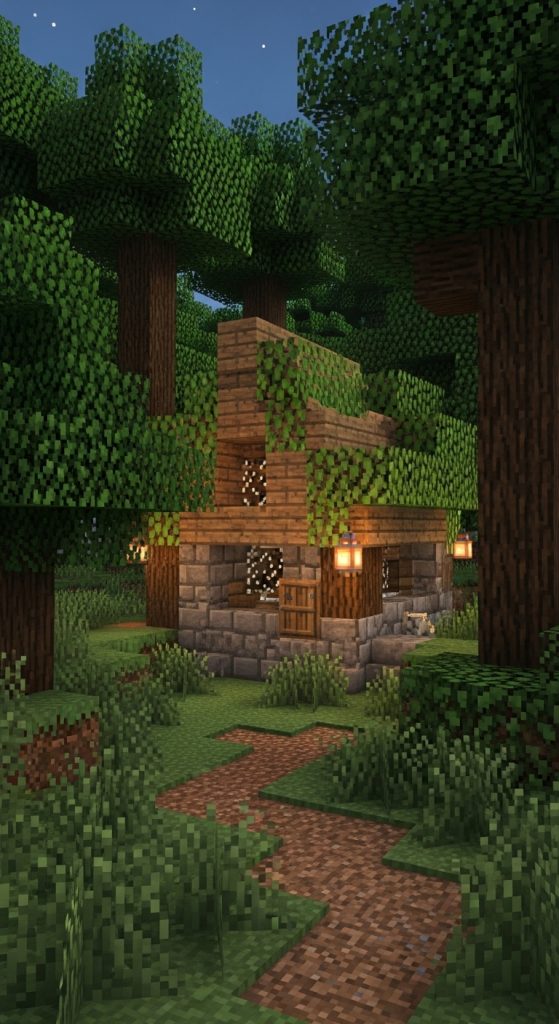
A hidden forest starter cabin focuses on blending small survival shelters into natural terrain. The idea is to create a compact living space that is partially concealed by trees, foliage, and landscape features. This concept is ideal for early-game survival or aesthetic minimalist gameplay. The design emphasizes simplicity while maintaining functionality, ensuring that essential survival elements such as storage, crafting, and sleeping areas are included. The cabin should not dominate the environment but instead merge with it, creating a seamless transition between built structure and natural forest surroundings. This type of build is often featured in Minecraft forest Pinterest ideas because it represents subtle creativity and practical design.
To construct this cabin, players begin by selecting a naturally dense forest area with uneven terrain. The structure is typically built using spruce or oak wood for walls, with stone foundations for stability. Leaves and vines can be added to camouflage the exterior. The interior should include basic materials such as a crafting table, chest storage, and a bed. Lighting is important to prevent hostile mob spawning while maintaining a soft natural glow. Small pathways made of dirt or gravel can lead to the entrance, enhancing the hidden aesthetic. The result is a functional yet visually integrated survival base.
Idea 2: Enchanted Forest Treehouse Network
How to Create
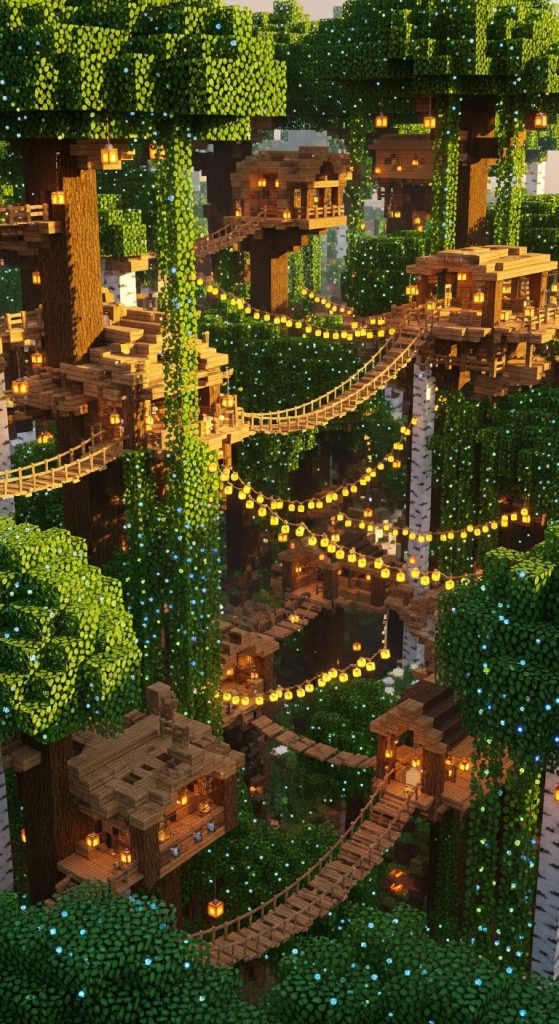
An enchanted forest treehouse network transforms tall trees into interconnected living spaces. This design emphasizes vertical building and natural elevation, making use of forest canopies as structural support. The concept creates a magical and immersive environment where players move between tree platforms using bridges, ladders, or vines. It is especially popular among creative Minecraft players who enjoy fantasy-inspired builds and elevated survival bases. The treehouse network can be expanded over time, allowing each tree to serve a unique function such as storage, crafting, sleeping, or farming.
To build this structure, players first identify large, tall trees or plant custom-grown trees using saplings. Wooden platforms are constructed at different heights, connected with bridges made of fences or slabs. Glowstone or lanterns provide lighting to enhance the enchanted atmosphere. Leaves are often preserved or shaped to maintain natural coverage. Interior spaces can be built using lightweight materials such as wood planks and glass for visibility. The network can expand across multiple trees, forming a connected forest village in the canopy. This design creates both visual complexity and functional mobility within the forest biome.
Idea 3: Forest River Village Settlement
How to Create
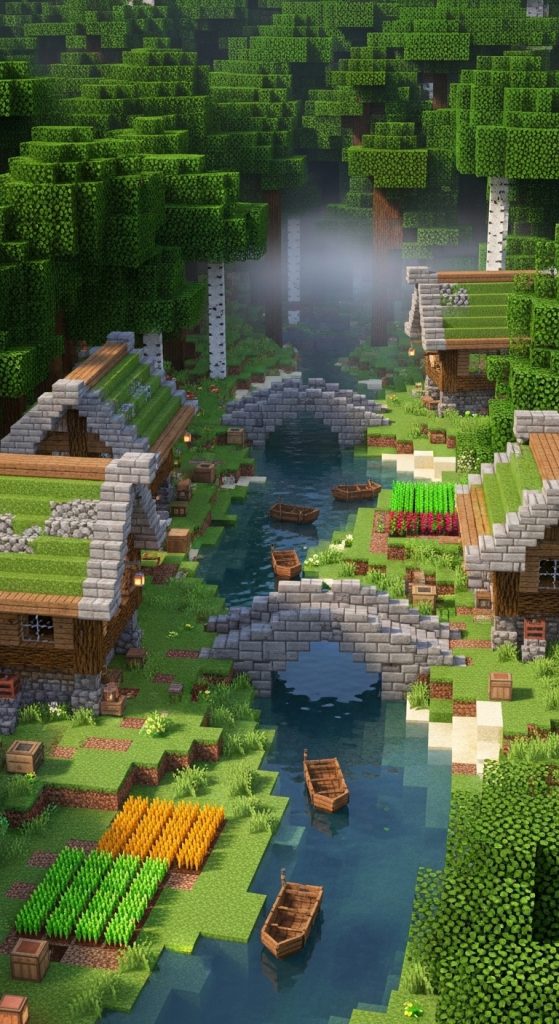
A forest river village integrates water flow with woodland environments to create a peaceful and functional settlement. The design revolves around placing houses, farms, and pathways along a river running through a forest biome. This idea is often used in Minecraft forest Pinterest inspirations due to its natural beauty and realistic layout. The village can include small wooden homes, bridges, fishing docks, and communal areas that connect through the riverbanks. The combination of water and forest creates a balanced ecosystem that feels alive and dynamic.
To construct the village, players should first identify a river passing through a forest biome. Structures are built along both sides of the river using wood, stone, and natural materials. Bridges connect different sections of the village, while farms are placed near water for irrigation. Pathways made of gravel or stone slabs guide movement between buildings. Decorative elements such as lanterns, boats, and flower patches enhance visual appeal. The layout should remain organic, following the natural curves of the river. This approach results in a cohesive and immersive forest settlement design.
Idea 4: Abandoned Forest Ruins Build
How to Create
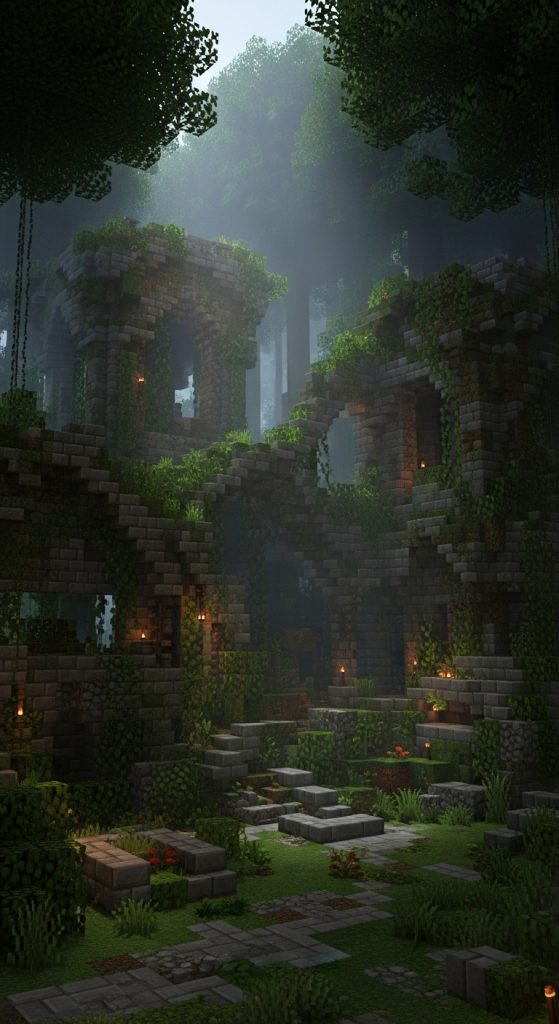
Abandoned forest ruins introduce storytelling elements into Minecraft forest environments. The idea is to create structures that appear ancient, broken, and reclaimed by nature. This design style is ideal for players who enjoy atmospheric builds with mystery and exploration themes. Ruins can include collapsed stone structures, overgrown walls, and hidden chambers beneath forest terrain. The aesthetic focuses on blending construction with decay, making it look like the forest has slowly consumed the architecture over time.
To build ruins, players should primarily use stone bricks, mossy cobblestone, and cracked stone materials. Structures should be partially destroyed or incomplete, with irregular shapes and missing sections. Vines, leaves, and grass blocks are added to simulate natural overgrowth. Interior spaces can include hidden rooms or loot-style storage areas. Lighting should be minimal to enhance the abandoned atmosphere. Pathways leading to the ruins can be hidden or partially covered. This build encourages exploration and storytelling within a Minecraft forest environment.
Idea 5: Forest Survival Farm Base
How to Create
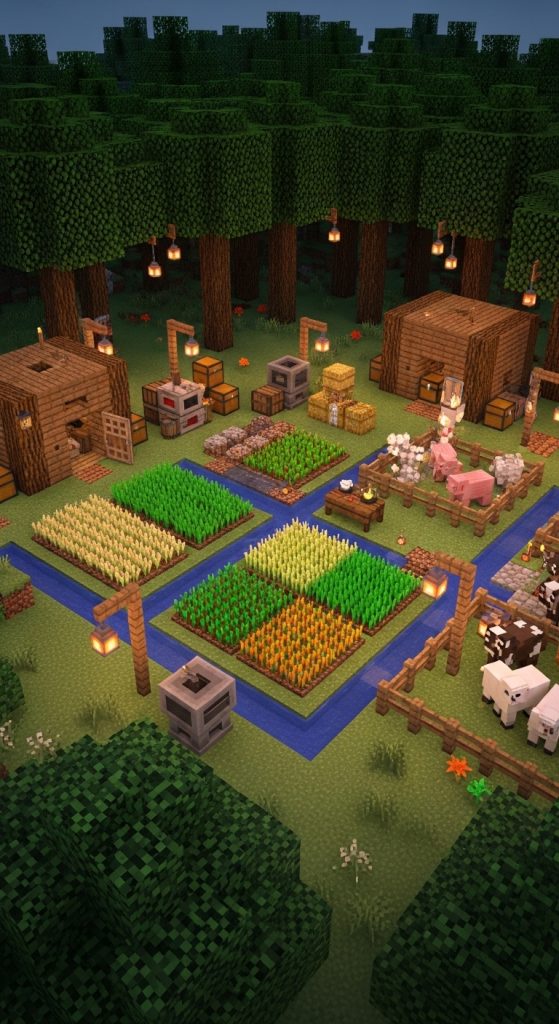
A forest survival farm base combines functionality with natural integration. The goal is to build a self-sustaining base that includes farming, storage, and living areas within a forest setting. This design is practical for survival gameplay while still maintaining aesthetic value. The base typically includes crop fields, animal pens, and resource storage areas organized within a compact forest clearing. It is commonly featured in Minecraft forest ideas because it balances utility and design.
To construct this base, players should clear a small forest section while preserving surrounding trees. Crop farms are arranged in irrigated rows using water channels. Animal pens are built using fences and gates. Storage buildings and crafting areas are constructed using wood and stone materials. Pathways connect all functional areas for easy navigation. Lighting is essential for nighttime safety. Decorative elements such as barrels, hay bales, and lanterns enhance realism. The result is a fully functional forest base that supports long-term survival gameplay.
Idea 6: Fairy Light Forest Pathway
How to Create
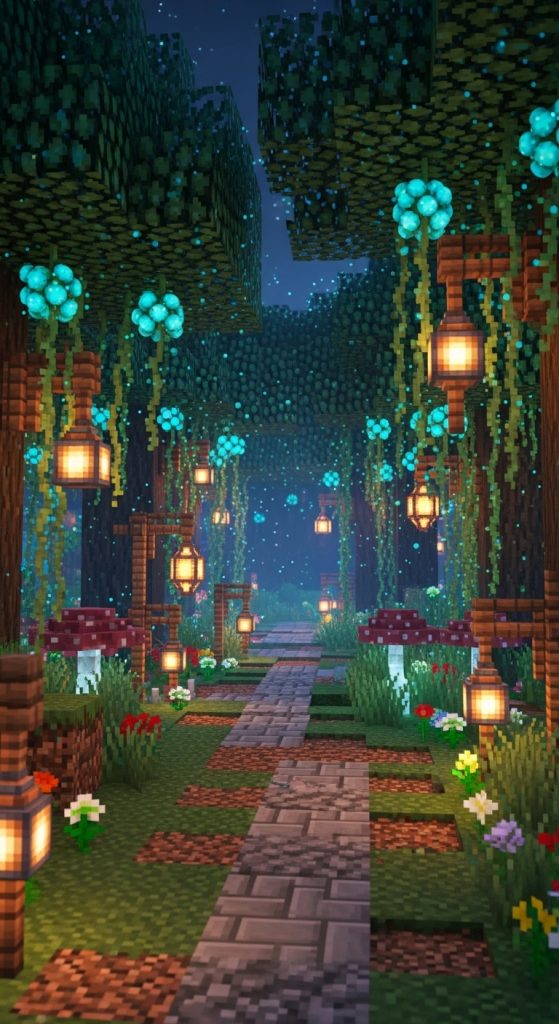
A fairy light forest pathway focuses on atmospheric lighting and decorative walking trails. This idea transforms simple forest paths into magical illuminated routes that guide players through wooded areas. The design is often used in creative Minecraft forest Pinterest inspiration boards due to its visual appeal. The pathway can connect different builds or serve as a scenic exploration route through the forest biome.
To create the pathway, players start by designing a natural trail using gravel, stone, or dirt paths. Trees and foliage are arranged along both sides to maintain a dense forest feel. Lighting is added using lanterns, glow berries, or torches placed on fence posts. The spacing of lights should create a soft glowing effect rather than harsh brightness. Additional decorations such as flowers, mushrooms, and hanging vines enhance the fairy-like atmosphere. The pathway can be expanded into multiple directions, forming a network of illuminated forest trails.
Idea 7: Forest Watchtower Observation Base
How to Create
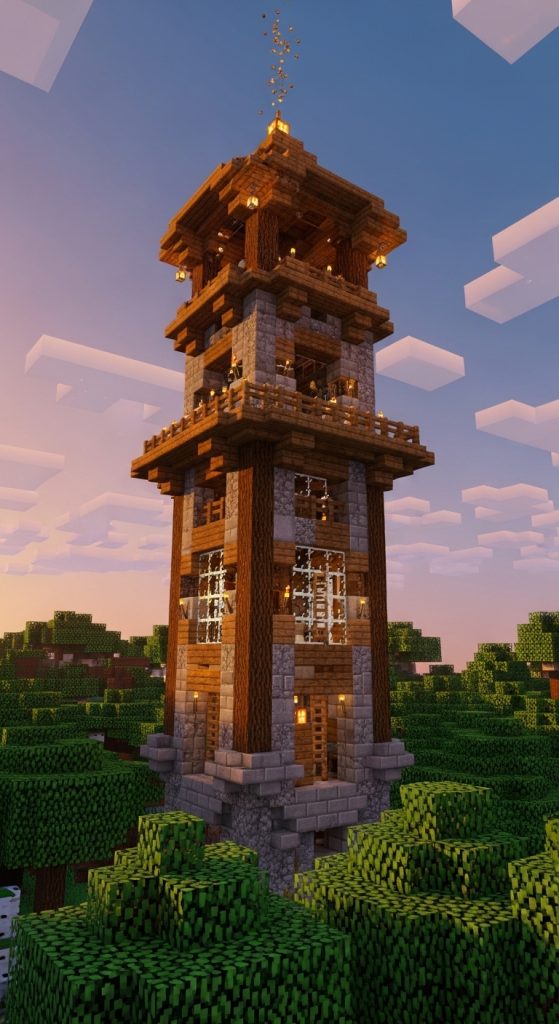
A forest watchtower is a tall structure designed for observation and defense within a wooded biome. It provides a strategic vantage point while blending with forest aesthetics. This idea is useful for survival gameplay and exploration-based builds. The tower can be used to monitor surrounding areas, track movement, and serve as a navigation landmark.
To build the watchtower, players should select a high elevation point or clear area within the forest. The structure is built vertically using wood, stone, or mixed materials. Multiple floors can include storage, sleeping areas, and observation decks. Windows are added for visibility, and ladders or staircases provide access between levels. Lighting at the top ensures visibility at night. Surrounding trees can be shaped to complement the tower’s height. This build creates a functional and visually dominant forest structure.
Idea 8: Mushroom Grove Fantasy Forest
How to Create
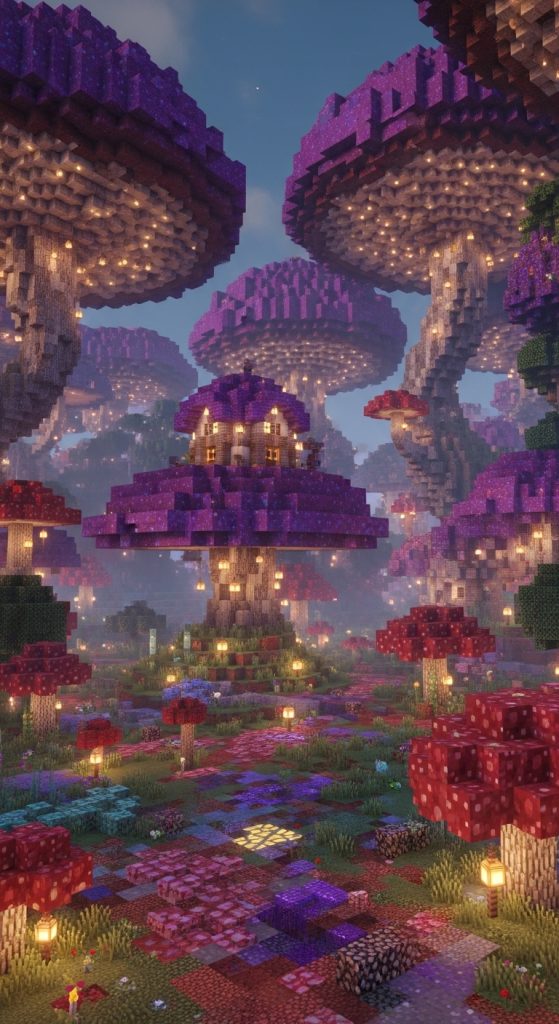
A mushroom grove forest build introduces fantasy elements into Minecraft woodland environments. The design focuses on oversized mushrooms, glowing elements, and surreal landscaping. This concept is ideal for creative builds that emphasize imagination and visual storytelling. The grove can include mushroom houses, glowing pathways, and magical terrain features.
To construct the grove, players should select a shaded forest area and introduce large mushroom structures using mushroom blocks or custom builds. Terrain can be modified using mycelium or podzol blocks. Glowstone or shroomlight adds illumination. Small houses or shelters can be built inside mushroom caps. Pathways are designed using natural materials to maintain fantasy aesthetics. Decorative vegetation enhances the magical atmosphere. This build creates a unique forest environment that feels otherworldly and imaginative.
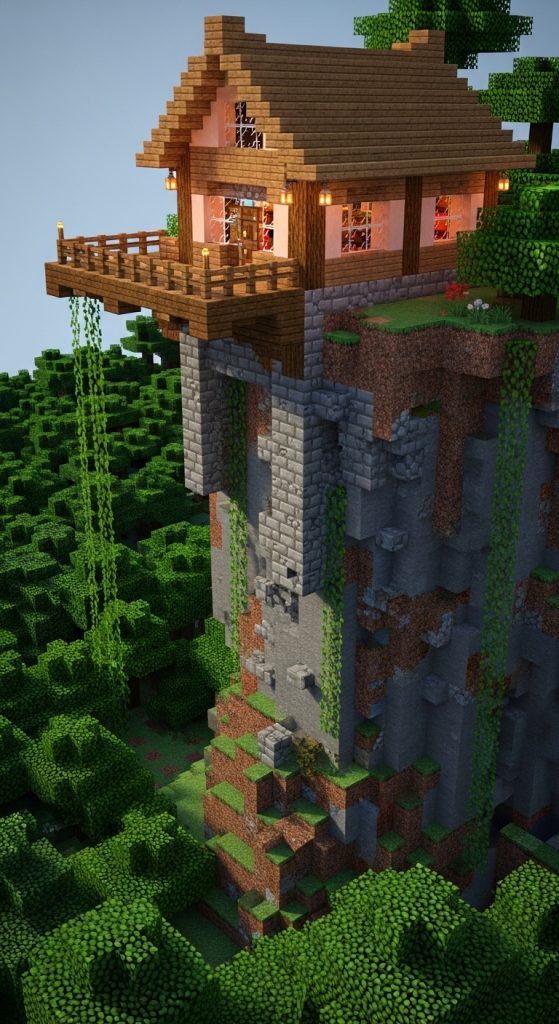
Idea 9: Forest Cliffside Cabin Retreat
How to Create
A cliffside cabin retreat combines forest environments with elevated terrain design. The build focuses on placing a cabin along forest cliffs or hillsides, creating dramatic scenery and layered landscapes. This idea is popular in Minecraft forest inspiration due to its visual depth and immersive placement.
To construct the retreat, players should locate a forest with cliffs or elevated terrain. The cabin is built using wood and stone, with foundations anchored into the hillside. Balconies or viewing decks overlook the forest below. Interior spaces are compact but functional. Pathways or staircases connect the cabin to the forest floor. Natural blending techniques such as vines and foliage help integrate the structure into the cliffside. The result is a scenic forest retreat with strong visual appeal.
Idea 10: Modular Forest Camp Expansion System
How to Create
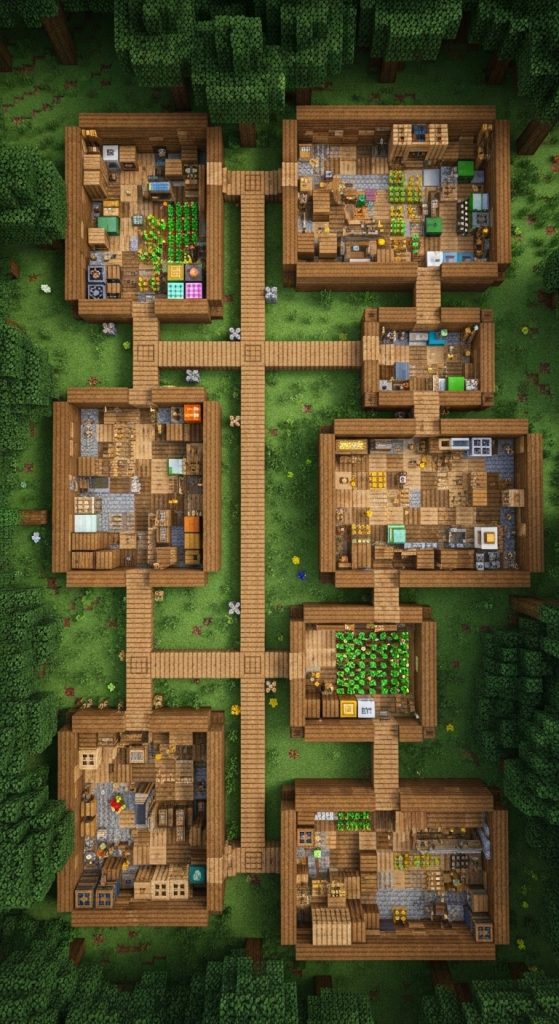
A modular forest camp system is designed for expandable gameplay progression. Instead of a single structure, the build consists of multiple interconnected modules that can be added over time. This approach is ideal for long-term survival worlds and creative planning.
To build the system, players start with a central base module that includes storage and crafting. Additional modules such as farms, sleeping quarters, and workshops are added gradually. Each module is connected through forest pathways. Consistent materials ensure visual unity. The modular approach allows flexibility and expansion without disrupting the natural forest environment. This system is practical, organized, and highly adaptable for evolving gameplay.
Common Beginner Mistakes and How to Avoid Them
Many beginners in Minecraft forest builds tend to flatten too much terrain, which removes the natural beauty of the biome. Another common mistake is overusing uniform materials, which reduces visual depth. Some players also neglect lighting, leading to unsafe environments at night. Avoiding these issues requires maintaining natural terrain features, mixing block types, and planning lighting placement early in the build process. Proper balance between structure and environment ensures better results.
Practical Tips for Better Results
Improving forest builds requires attention to detail and gradual layering. Using varied wood types enhances texture contrast. Adding small decorative elements such as leaves, vines, and flowers improves realism. Pathways should follow natural terrain curves rather than straight lines. Experimenting with elevation adds depth to builds. These small adjustments significantly improve overall visual quality in Minecraft forest projects.
Styling, Presentation, or Organization Ideas
Forest builds look more cohesive when organized into functional zones. Living areas, farming sections, and decorative spaces should be clearly defined but naturally blended. Using consistent lighting styles helps unify the environment. Layering vegetation around structures enhances integration with nature. Creating focal points such as towers or central cabins improves visual structure. These techniques help achieve a polished and aesthetic forest design.
Budget or Time Planning
Efficient forest building requires structured planning. Starting with small builds allows gradual expansion without resource strain. Gathering materials early, especially wood and stone, improves workflow efficiency. Dividing construction into phases helps manage time effectively. Simple starter builds can be completed quickly, while larger modular systems require extended development. Proper planning ensures steady progress and balanced resource usage.
Creative Expansion and Advanced Inspiration
Advanced Minecraft forest builds can evolve into complex ecosystems. Players can integrate underground bases, hidden cave systems, or interconnected biome transitions. Expanding treehouse networks across entire forests creates immersive aerial cities. Adding custom terrain shaping enhances realism. Combining multiple ideas from this guide results in large-scale creative environments. These expansions allow for highly detailed and personalized forest worlds that grow over time.